VTOMAN FlashSpeed 1500 Portable Solar Battery Reviewed
It’s been a hot minute since I last tested a big ol’ portable battery. In those intervening months prices have plummeted and, at time of writing, an entirely reasonable £550 will get you VTOMAN’s FlashSpeed 1500. With nominally 1500W output power, 3000W peak output power and 1548Wh of capacity it sits near the top of VTOMAN’s offerings and comes in at roughly 35p/kWh.
FlashSpeed 1500 is a relatively simple portable battery. It has no WiFi or Bluetooth connectivity and relies on a crude segmented LCD display to give you some insight into what it’s doing. Sometimes this feels like there isn’t enough information – I’m used to knowing separately how much power each interface is supplying – but it’s also refreshing to have something self-contained that I don’t need an app or firmware updates for.
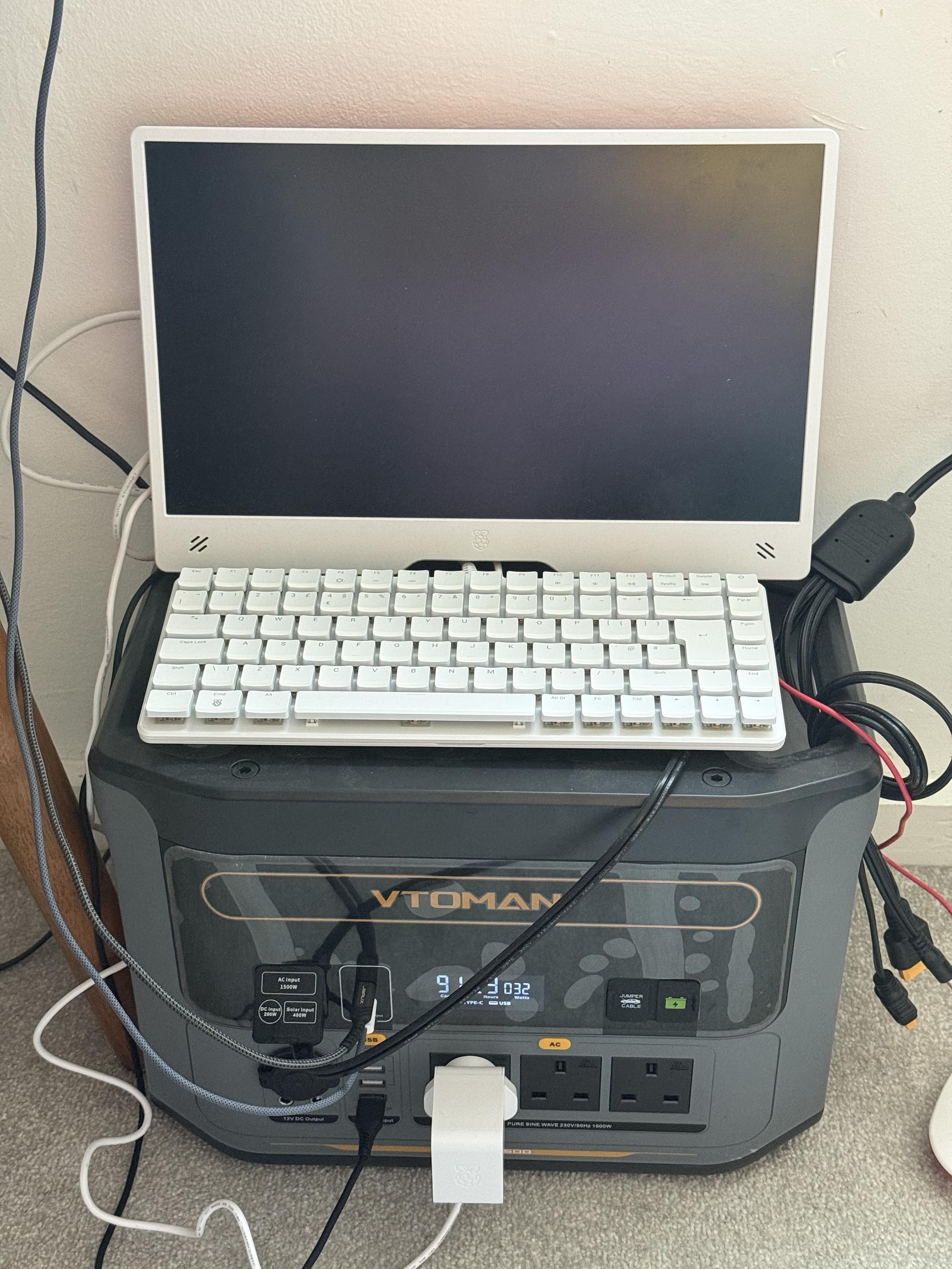
New portable computer just dropped!
The Watts figure is a little confusing, though, since under no load it will read how much power is being fed *in* to the battery – ie: via solar – and under load it will read how much power is coming *out* of the battery. This under load figure will exclude what power is coming from solar, so the number could be lower than you would expect. With a battery charging at nominally 100W from a USB-C port I was seeing a 60W draw on the battery, and the other 40W provided directly by solar. Yanking the solar power connector, predictably, made this jump up to 100W. It’s not intuitive and could definitely have done with some indication as to whether it’s watts in or watts out (I’m going to catch heat for my mangling of terminology here), but once you understand this quirk it’s fine.
The light will nominally illuminate a work area, but it’s very directional and difficult to aim!
In addition to providing power the FlashSpeed 1500 also provides light, a feature that my kids are endlessly obsessed with. It’s not super useful as a task light since it’s small, bright and very difficult (because you have to move the whole battery) to point it where you need it. It does have strobing and SOS effects, though around the house these are mostly only useful as another means for my kids to give me a headache.
On the left and right sides are vents for the internal fans and aside from the LED and typical regulatory spiel the back is empty.
On top there’s a compartment for stowing the power cable and supplied accessory cables, this is extremely useful since I’ve had my other battery separated from its properly rated power cable. It also has two sturdy hand grips, you’ll need these because this boi is hefty!
IO, IO!
The sockets, ports and buttons being located exclusively on the front is both a blessing and a curse. With my office battery I often find that, while sockets on the rear are very tidy, it’s tricky both to plug something in and to find the power button for the sockets. On the FlashSpeed 1500 it’s a little untidy with everything on show up front, but as a consequence it’s easy to plug things in and easy to find the relevant on/off buttons.
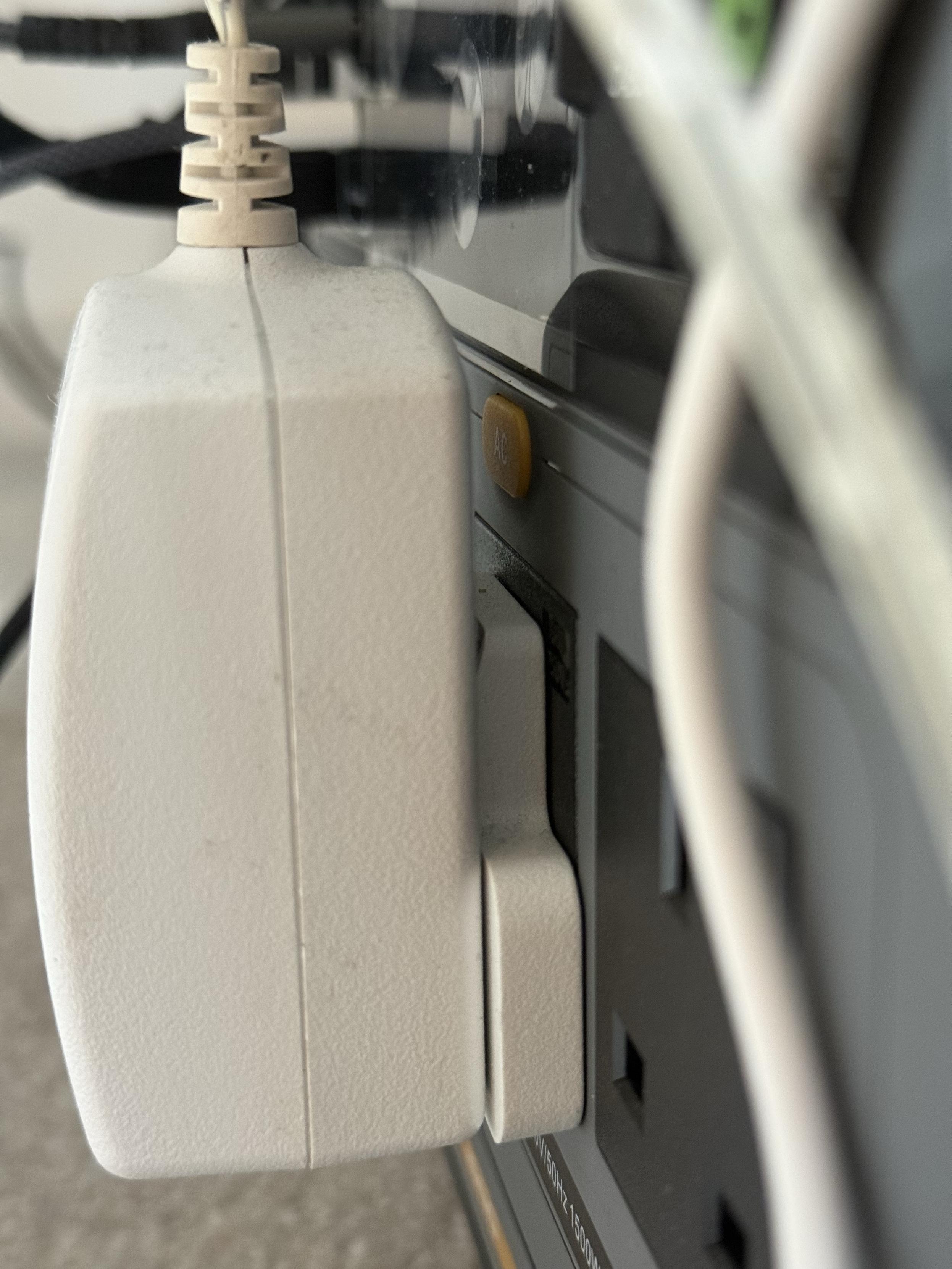
I question the logic of this button placement…
A slight downside, the On/Off button for the AC sockets is located directly above one of the three sockets, right where a suitably large wall-wart would obscure it. It’s great that the button is in close proximity to the sockets it turns on and off, but it would have perhaps been better off to the left or right-hand side where only the weirdest of wall-warts deign to interfere.
That said it could be an American NEMA Type-B thing. Being USA-first seems to be a pattern with portable batteries, and indeed I’ve had to pass up a half dozen brands because they don’t offer devices with UK sockets. This is reasonable, since our standards are strict and our market is a flash in the pan compared to the US, but it’s a shame. VTOMAN’s FlashSpeed 1500 is the first portable battery since way back in 2023 that I’ve been able to credibly test, and I’m happy to have it.
Joining the UK sockets (you get three), are four USB Type-A ports with three labelled 5/2.4A and the forth, differentiated in blue, is marked with “Quick Charge.” To the left of these is a 12v lighter socket and two 12v barrel jack sockets. Above the USB ports are two USB Type-C outputs, which are by far my most used sockets since they will happily provide their rated 100W (one of my Anker batteries read 98W input when charging, which is close enough!)
To the right there’s a connector for a car jumper cable (more on this later) and an additional battery (which I don’t have.) And at the far left is a cluster of inputs from 200W DC (via another barrel jack connector, to charge off- for example- a car lighter socket), to 400W solar and the 1500W AC input which I have so far managed to avoid using.
The solar panel connector is an Anderson socket, a curious departure from XT60 or XT90 that I haven’t come across before. It’s something you could quite easily crimp yourself, but since my solar panels were connected to an MC4 to XT60 adapter that was threaded through my office wall, I would have needed an adapter. Thankfully VTOMAN were happy to supply their portable, folding 400W panels and these have been great.
Solar Power
As I mentioned above, I’ve managed to avoid plugging the VTOMAN battery into mains power. This is because I’ve run it exclusively from solar, using VTOMAN’s foldable 400W panels laid on my kitchen roof with the cable threaded in through the bedroom window. Their panels are supplied with a multi-way adapter that includes XT60, XT90, Anderson and a regular 5mm barrel jack connector with MC4 on the other end. Since the panels and adapter join at the MC4 connectors it’s also possible to extend the cable for a longer run which is helpful for finding the ideal panel placement (which may or may not be taped to your camper roof.)
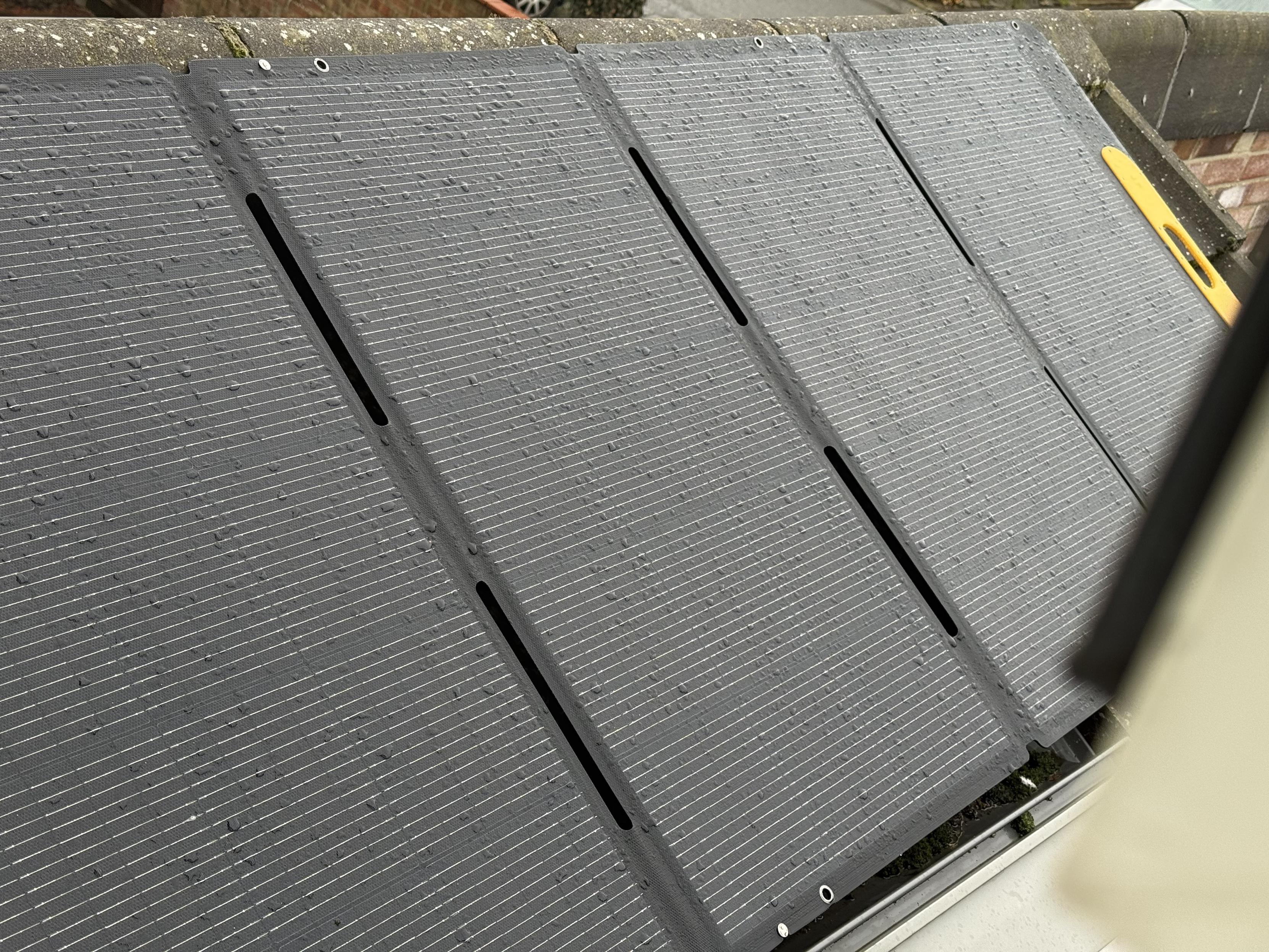
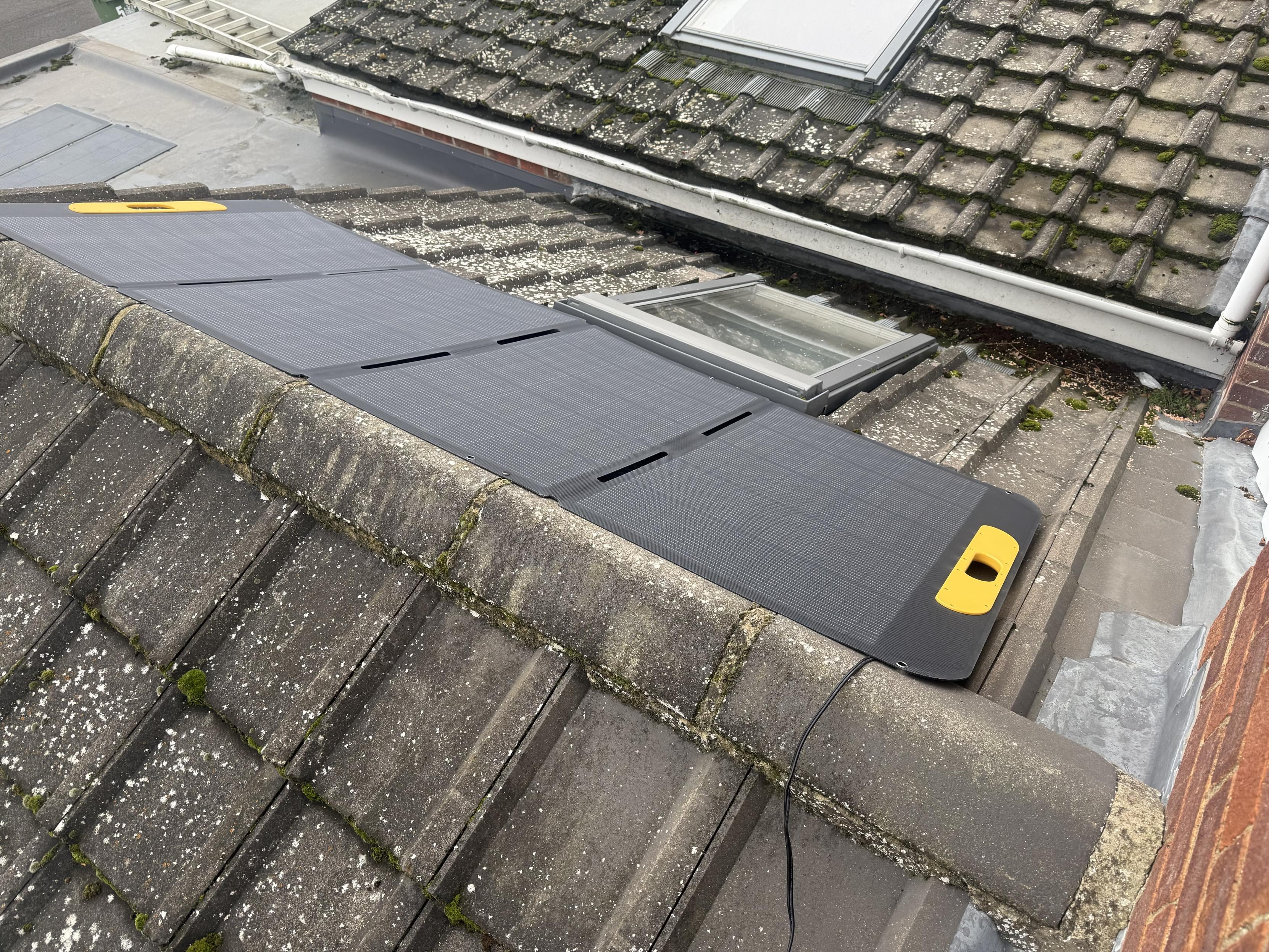
Panels basically span the kitchen roof! A total of 400W nominal. They’ve definitely been weather tested.
Unfortunately when I first set up the solar panels the British weather was being thoroughly uncooperative. It’s still being thoroughly uncooperative, but for the first few weeks of their life the panels were battered by seemingly endless rain. As a consequence the battery was charged by a slow trickle of nominally 20W, and I used it infrequently to charge devices or run a small computer setup. Since then we’ve had better weather and I’ve seen up to 140W, with today’s misty overcast gloom currently generating 50W. These numbers are far from the nominal value of the panel, but from my other small 400W setup they are to be expected. A good, clear, cool day with plenty of sunshine can potentially exceed 400W, but it’s a very rare occurrence indeed.
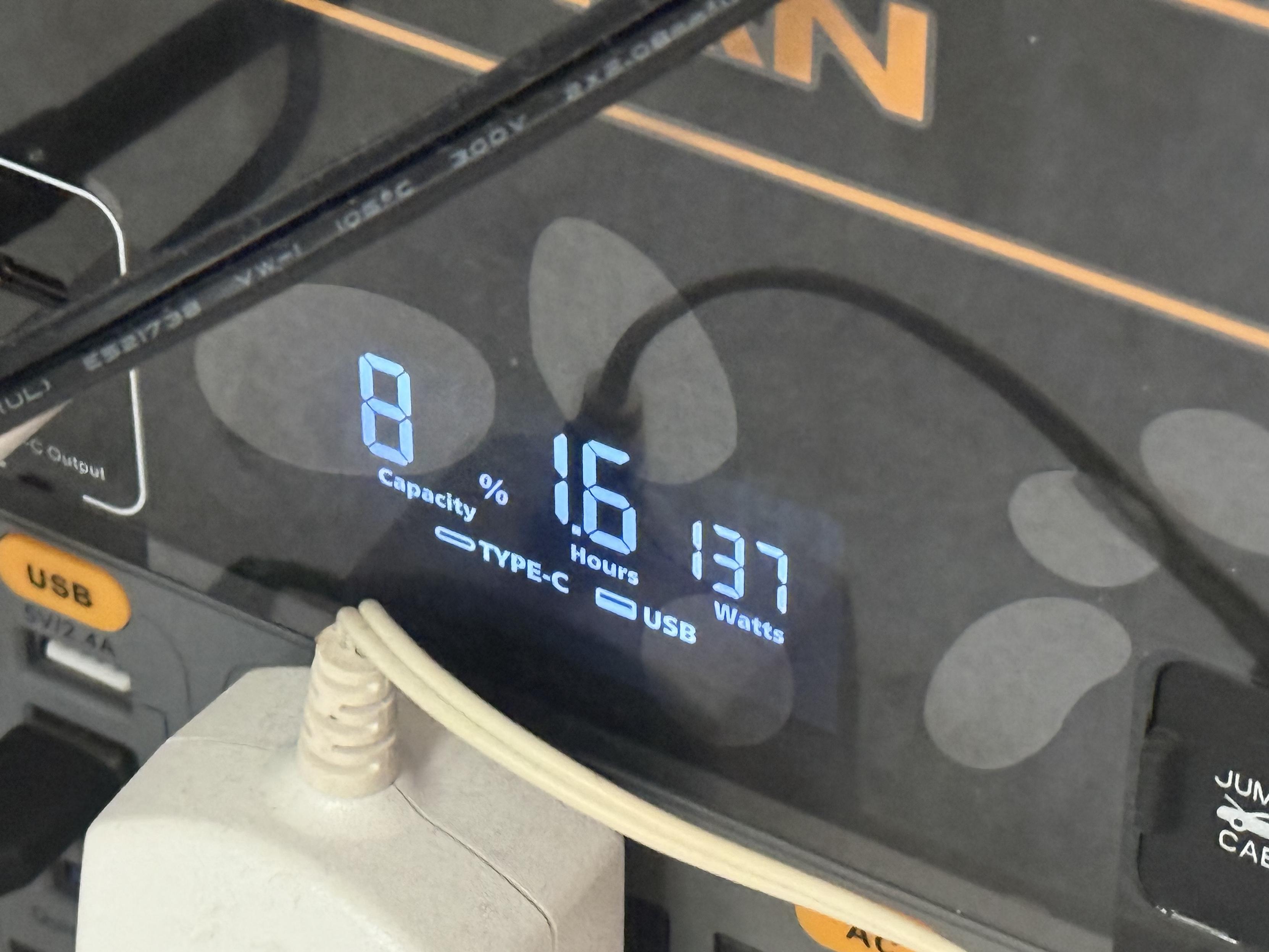
137 watts in is not bad for the present state of British weather.
Nonetheless I have started powering my laptop and various workstation accoutrements from the battery and it’s been quietly humming along without fuss. This is great because three extra sockets and six USB ports worth of basically free power is not something to sniff at. Though had you purchased this setup at just shy of £1000 you’d want to be using it out and about to really get the most out of it.
If there’s no power draw on the battery and no input from solar it will go to sleep, which is entirely reasonable but a little awkward the following morning. Until I plugged enough things in to keep the battery awake I would have to manually turn it on each morning, missing the first rays of sunshine (ha, barely) and passing up some perfectly good power. If you’re counting on the battery out in the field (sometimes literally) then you’ll need to make sure it’s turned on and charging in the morning.
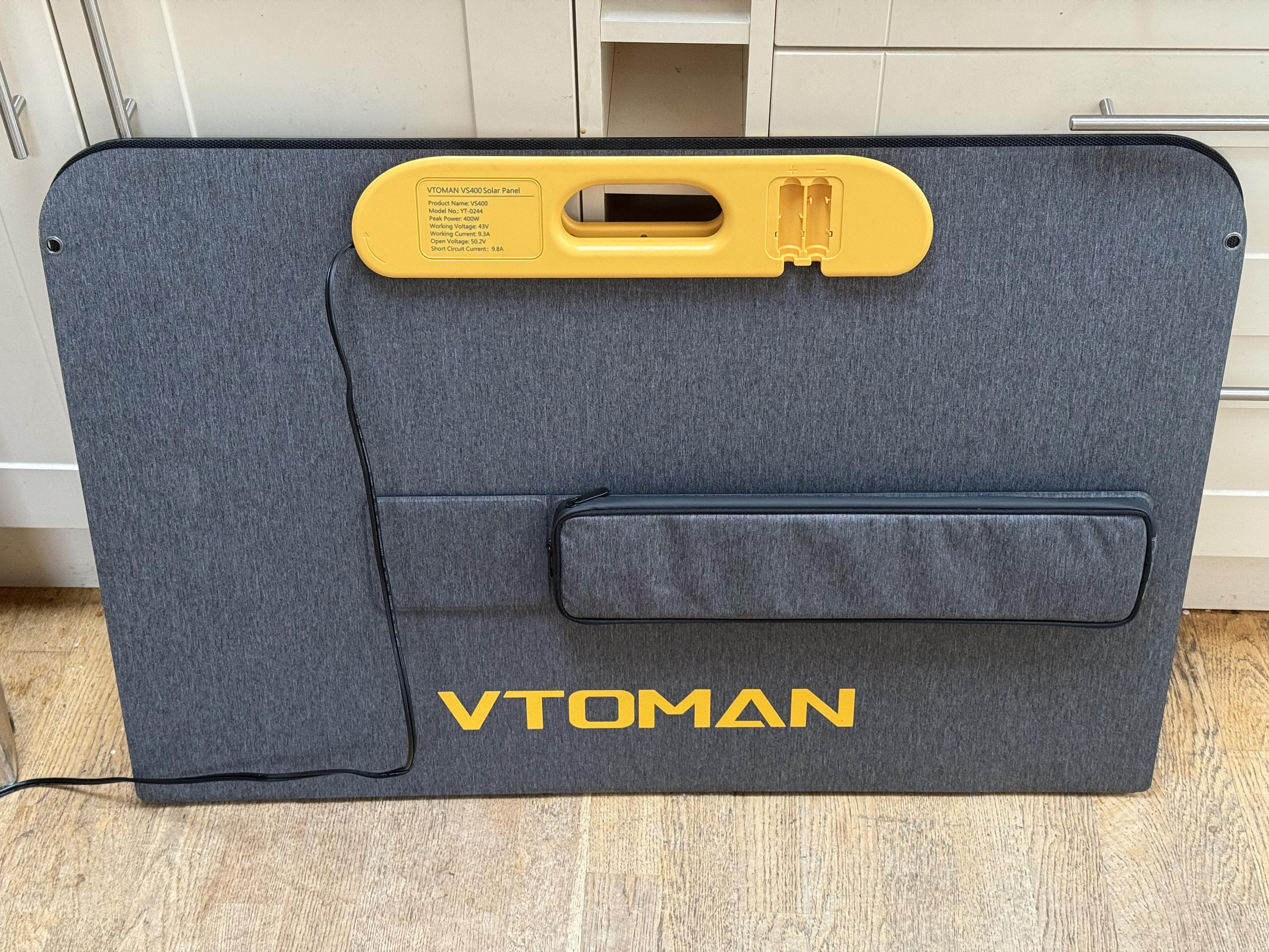
I drastically underestimated the size and weight of these solar panels but they are awesome!
VTOMAN’s folding solar panels are really nice, though, albeit much, much heavier than I expected. They come with a carry handle and have a really nice outer finish that makes me loathe to leave them outdoors where the weather and the pigeons will batter them. I had previously leant four single 100W panels to a friend for use at a festival and they were big, unwieldy and a pain to wire together (intended for a semi-permanent install on a camper roof). While they still cost almost as much as the battery itself you might be tempted to look for cheaper single panels, but if you’re planning to be able to move your solar installation at all (like you might with a portable battery) then VTOMAN’s 400W folding panels are a must-have.
UPS Functionality
The FlashSpeed 1500 claims a less than 20ms switchover time from AC to battery backup when used as a UPS. I have no means to verify this claim, or suggest how much less than 20ms it actually is. My prior experience with this sort of timing is that it can upset some computers, but might be fine with others. Your mileage may vary. In my case I use a laptop most of the time, so the switchover time is irrelevant. If you’re looking specifically for a UPS then the FlashSpeed 1500 probably isn’t what you’re looking for- a good switchover time might be <12ms and a great one <10ms.
That Jumper Cable
I enquired about the jumper cable connector for the FlashSpeed 1500 and VTOMAN were happy to oblige and send me their own cable for use with it. The problem? It’s really, really short.

These jump leads are… too short.
In order to make a connection to a car battery you’d have to heft the entire portable battery (all 18.8KG of it) up onto your engine block or a suitable hard point close to the car’s 12v battery. If you’re really in a bind it could be just the ticket, but it’s really going to be more useful with a smaller battery like the Jump 600X.
Out and about
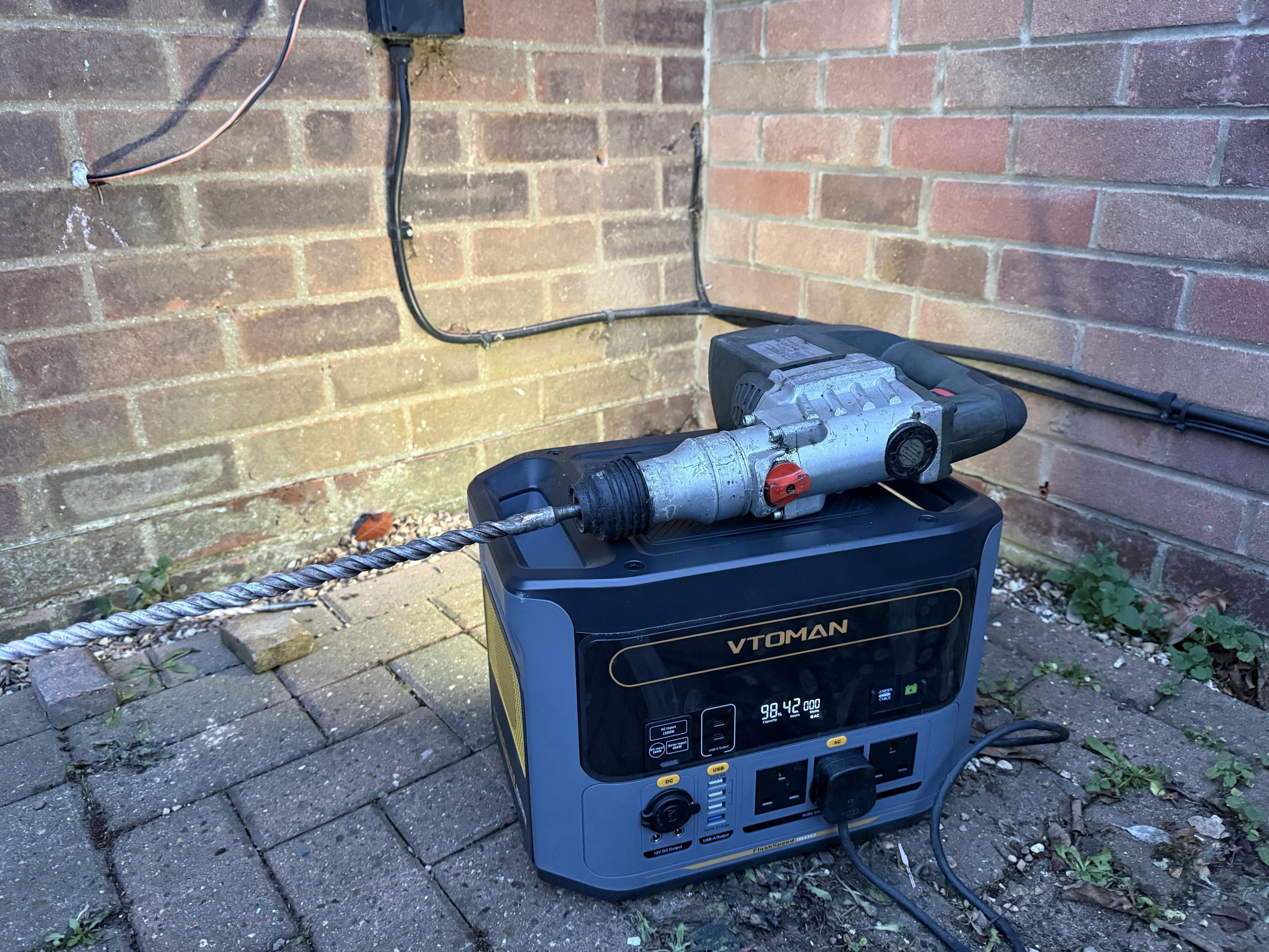
That said, out and about doesn’t just mean camping holidays, events or festivals. The FlashSpeed 1500 is useful anywhere you might need a plug socket and if you still have a vestigial collection of corded power tools that might be more places than you expect.


This is a completely silly way to defrost a car, but it works. This isn’t even the second time I’ve done this 🤣
One of my favourite parlour tricks with a battery of this size, however, is to pair it with a fan heater, stick it on the passenger seat of a small petrol car, and let it defrost the window and pre-warm the car without having to turn over the engine.
It has proven handy outdoors, too, providing power to a mains-powered SDS drill that I borrowed, and somewhere to sit while drilling holes in my wall too. An extension cord might have worked just as well, and would have been much lighter, but lugging a battery into just the right spot has no limits on range and doesn’t cause a trip hazard.
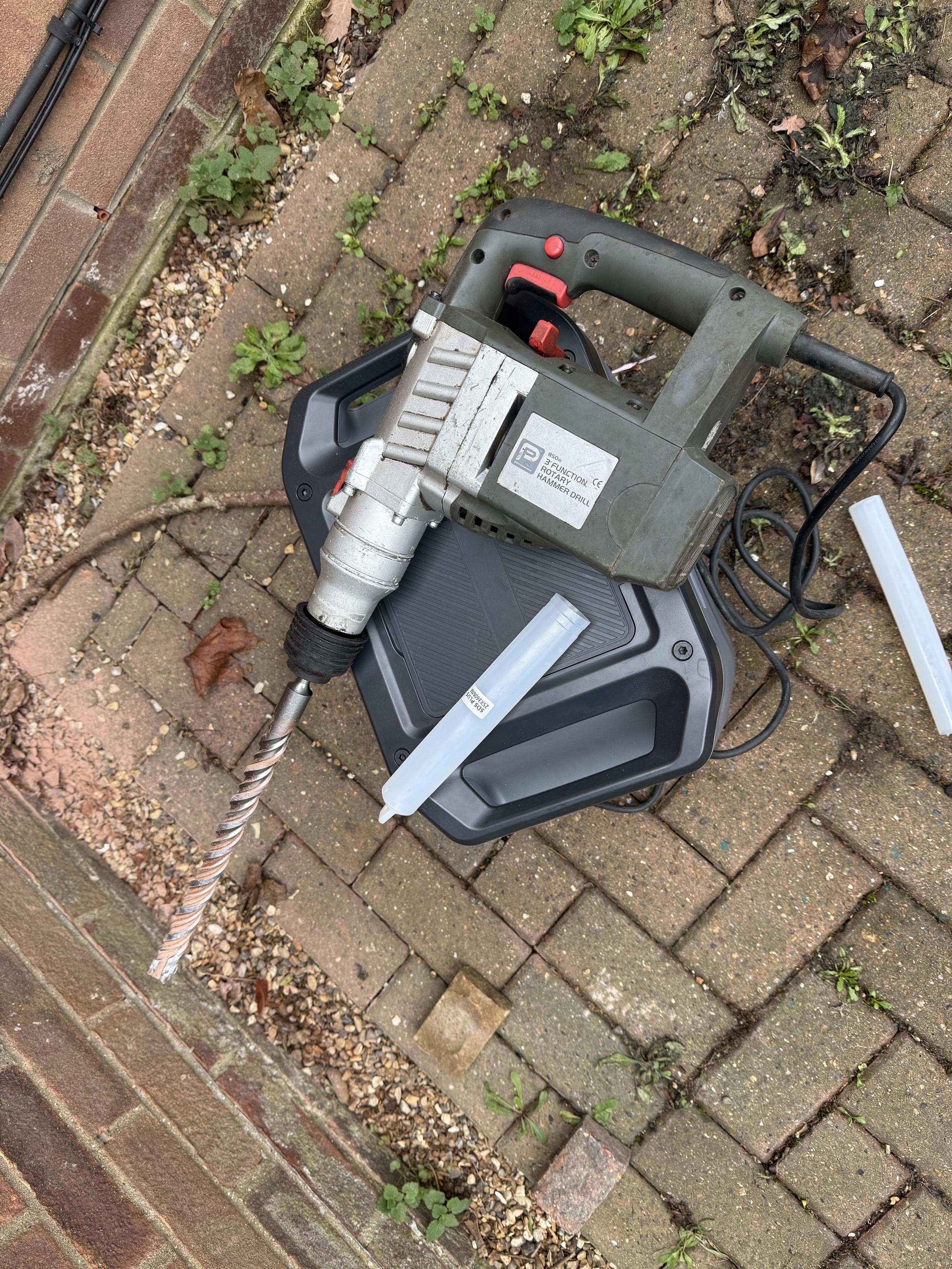
I cannot stress enough how useful it is to be able to plonk a plug socket wherever I need one!
Beyond this, if you’re setting up a booth in an events center and realise at the last minute that you need power, and that power to your booth is going to set you back almost £1000… well you can buy one of these for less than that and power your setup for the day, charge in the hotel overnight, rinse, repeat. I ought to stand outside events renting these out! Unfortunately it won’t do anything about the mediocre, overpriced food in the venue but you could spend the money you save on a waffle stand. If you know, you know.
Versatility is the name of the game, and if you’ve ever found yourself wanting a plug socket in some awkward location or even in the middle of a power cut then a big ol’ battery is a godsend.
Noise
When firing up AC power there’s a little blast of fan noise that quickly dies down to silence. This fan kicks in periodically to keep the temperature under control. When it does run it’s very noticeable and it’ll continue to run for a minute or so, followed by some minutes of silence. I’m assuming that drawing much, much more power would run the fan more frequently too, but I’ve yet to hit that threshold.
Running my laptop and other devices from USB Type-C and the USB ports keeps the battery quiet. Whether this is an acceptable compromise really depends on what you plan to be powering from it, but avoiding the sockets until you’re doing something similarly noisy or brief is the best strategy for a noise-free setup.
Overall
VTOMAN’s FlashSpeed 1500 has been a trooper, quietly powering my small satellite work desk, in a main bedroom without causing a disturbance. It’ll spin up a (loud) fan when there’s an AC load, but it’s otherwise very quiet. Beyond this its biggest flaw is an awkwardly placed AC toggle button which is easy to lose behind a wall wart. Good solid carry handles, a top storage compartment and plenty of IO count in its favour… it’s also a pretty good seat, too.
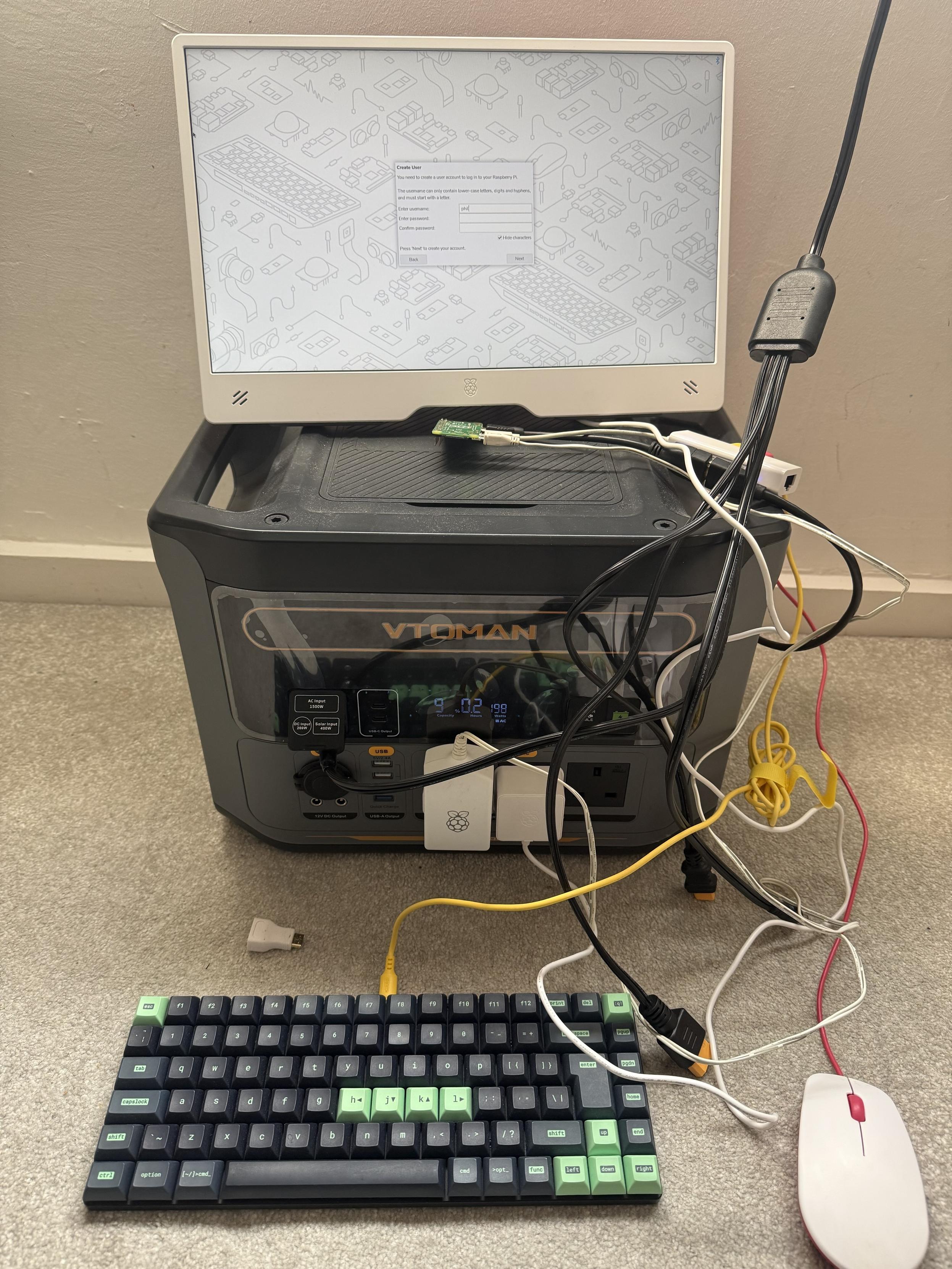
This is mostly because I ran out of plug sockets behind my desk and can never find a four way adapter!
You can pick up the FlashSpeed 1500 direct from VTOMAN for £549 at time of writing. If you want a versatile, portable power solution at roughly 35p per watt hour of capacity I’d recommend considering it.